

Why Most Beginners Lose Money in Trading
If trading was as easy as buying and selling randomly, everyone would be profitable.
But the reality is harsh: most beginners lose money, not because they are stupid or unlucky, but because they make the same avoidable mistakes again and again.
This article will break down why beginners fail, what actually causes losses, and how you can avoid becoming another statistic.
It’s Not the Strategy — It’s the Behavior
Most beginners believe they are losing because they haven’t found the “perfect strategy.”
In reality, strategy is rarely the main problem.
Beginners lose money because of:
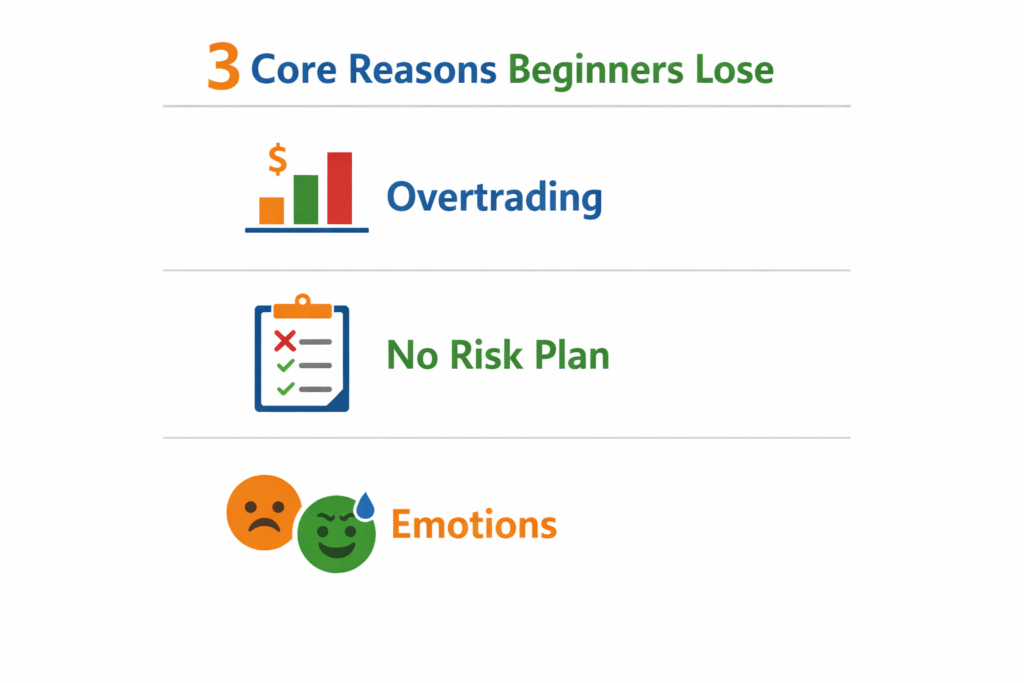
You can have a profitable setup, but if you don’t execute it properly, the results will still be negative.
Overtrading: The Fastest Way to Blow an Account
One of the most common beginner mistakes is overtrading.
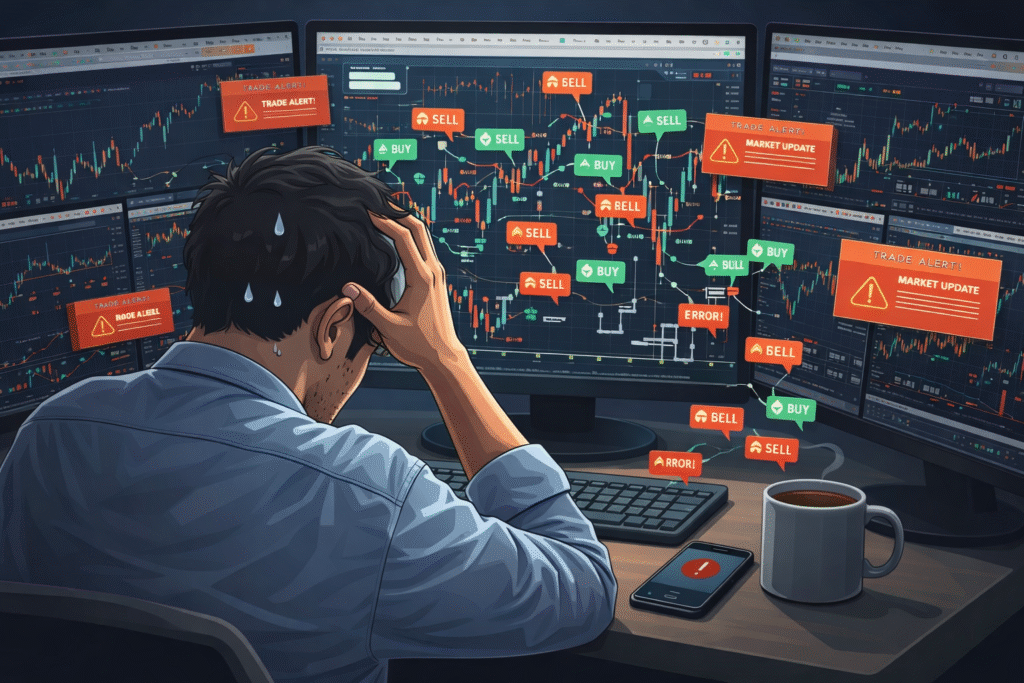
Many new traders feel the need to:
This mindset leads to poor entries, impulsive decisions, and emotional exhaustion. More trades do not mean more profit — they usually mean more mistakes.
Successful traders understand that waiting is also a decision.
No Risk Plan Means Guaranteed Failure
Another major reason beginners lose money is trading without a risk plan.
Before entering a trade, you should already know:
Without this, every trade becomes emotional.
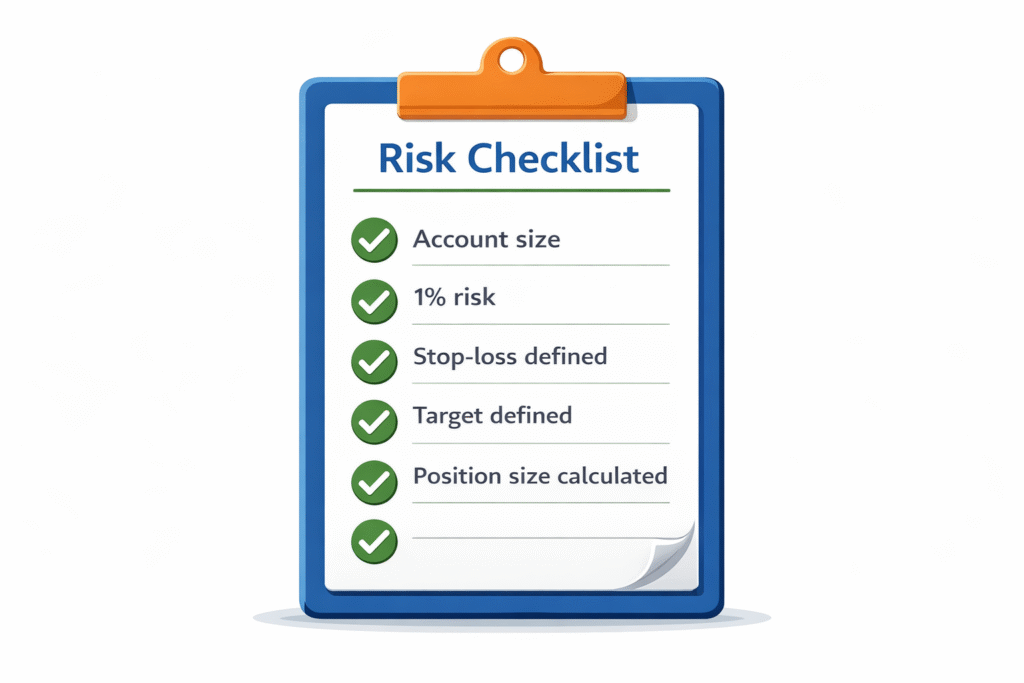
This is why the 1% Rule is so important. Risking only a small portion of your account per trade protects you from large drawdowns and keeps you in the game long enough to learn.
👉 If you haven’t read it yet, start with our guide on the 1% Rule in Trading.
Trading Without a Stop-Loss Is Gambling
Losses are part of trading but uncontrolled losses are what destroy accounts.
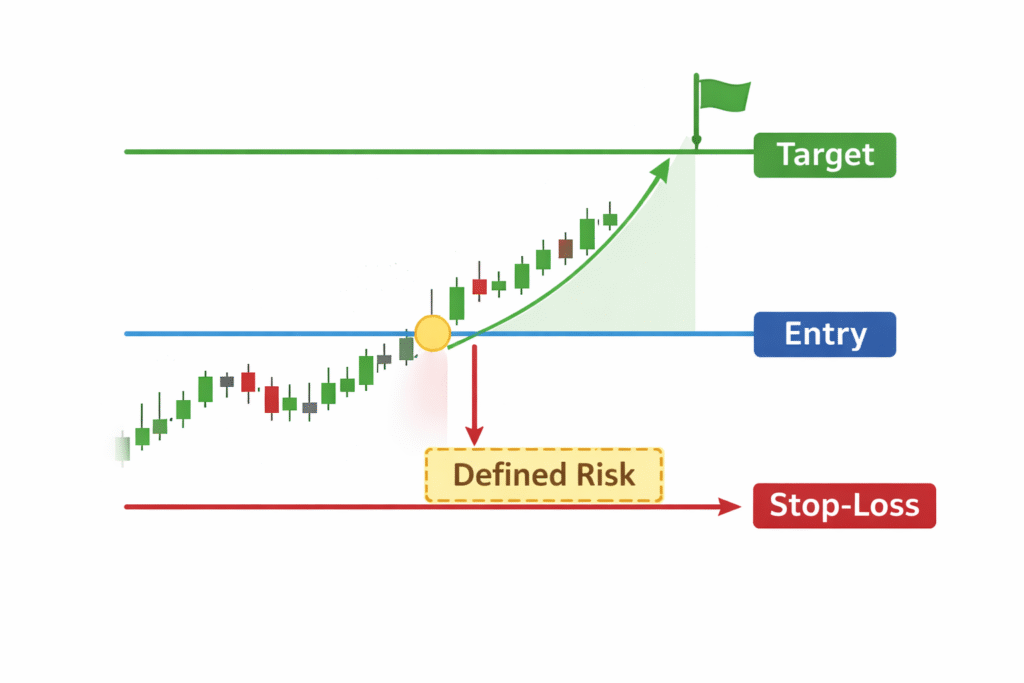
Many beginners avoid using stop-losses because they:
The truth is simple: No stop-loss = unlimited risk.
Professional traders accept losses quickly and move on. Beginners hold losing trades and hope for miracles.
Trading Psychology: The Hidden Enemy
Even with a solid strategy and risk plan, psychology can still sabotage you.
Common emotional traps include:
These emotions push traders to break their own rules.

The market doesn’t punish bad strategies — it punishes lack of discipline.
What Successful Traders Do Differently
Profitable traders don’t do anything magical. They simply avoid beginner mistakes.
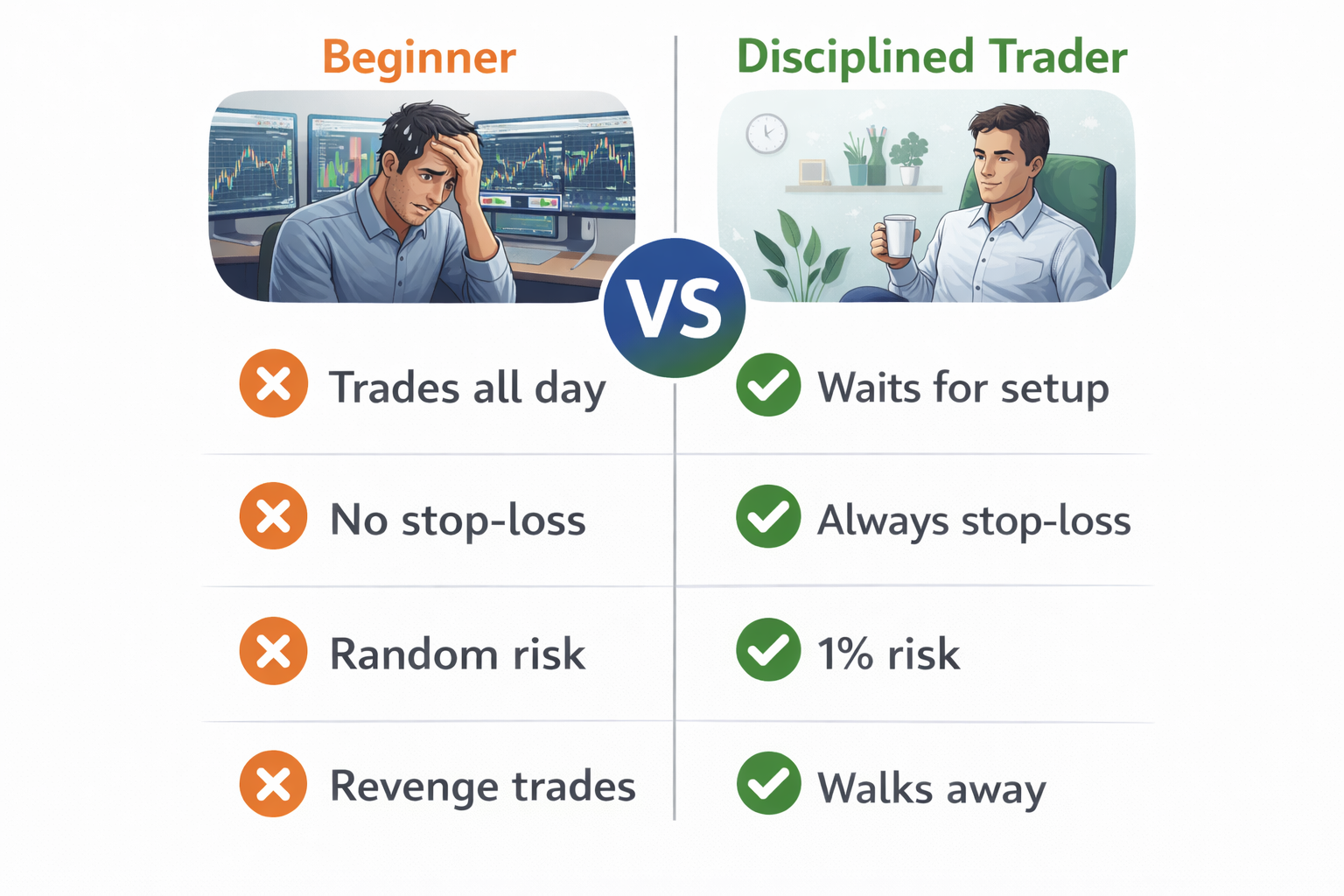
They:
They treat trading as a process, not a lottery.
Professional traders accept losses quickly and move on. Beginners hold losing trades and hope for miracles.
The KamyaabLab Approach to Safe Trading
At KamyaabLab, we teach a simple, structured approach:
Trading doesn’t need to be stressful or chaotic. It needs to be controlled, repeatable, and boring.
Final Thoughts
If you focus on:
You already put yourself ahead of the majority.
Trading success is not about being right every time — it’s about losing small and letting winners work.
Beginner Trading Insights

The Complete Beginner Trading System: Rules, Risk, Psychology & Execution
The Complete Beginner Trading System: Rules, Risk, Psychology & Execution Why Most Beginner Traders Lose…

Overtrading & FOMO: The Silent Account Killers for Traders
Overtrading & FOMO: The Silent Account Killers for Traders Many traders don’t lose money because…

Can You Make $1,000 Per Day Trading? The Honest Truth
Can You Make $1,000 Per Day Trading? The Honest Truth Can you make 1000 per…

Trading Psychology: Why Discipline Matters More Than Strategy
Trading Psychology: Why Discipline Matters More Than Strategy Most beginner traders believe success comes from…

Trading Basics
The 1% Rule in Trading A Beginner’s Guide to Risk Management That Actually Works The…
🔗 Next Steps
👉 Read: The 1% Rule in Trading
👉 Start: Risk Management & Discipline Modules
👉 Learn: How to trade less and think more