
⬅ Course Home | Next: Module ➡
Risk Management Basics
1. The Goal of Risk Management
Risk management basics in trading are often misunderstood by beginners. Most new traders believe the goal of trading is simply to “make as much money as possible.” But professional traders think very differently. Their first priority is to protect their account, manage risk, and preserve capital. They know profits only come consistently when the account is safe, losses are controlled, and execution follows clear rules. In trading, survival comes before success — and that’s what separates amateurs from professionals.
Risk management is how you:
📌 KEY IDEA: If you control your risk, you stay in the game long enough to get good.
2. How Much Should You Risk Per Trade?
For beginners, we’ll use a simple rule: Risk 0.5% – 1% of your account per trade. Examples:
Account Size: $1,000

$1,000 – 1% risk = $10
$10 max loss per trade
Account Size: $2,500

$2,500 – 1% risk = $25
$25 max loss per trade
Account Size: $5,000

$5,000 – 1% risk = $50
$50 max loss per trad
🔥You can even start more conservatively at 0.5% risk while you’re still learning. This means that before entering any trade, you already know the exact maximum amount you are willing to lose if the price hits your stop loss. This simple habit builds discipline, protects your account, and keeps emotions under control from the very beginning.
3. Stop Loss: Your Safety Net
A stop loss is the price level where you accept that your trade idea wasn’t correct and it’s time to exit. It’s not a failure — it’s simply a controlled decision that protects your account from a bigger loss. By defining this level in advance, you remove emotion from the trade and stay disciplined, reminding yourself: “If the price reaches this point, I’m out because my original plan is no longer valid.”
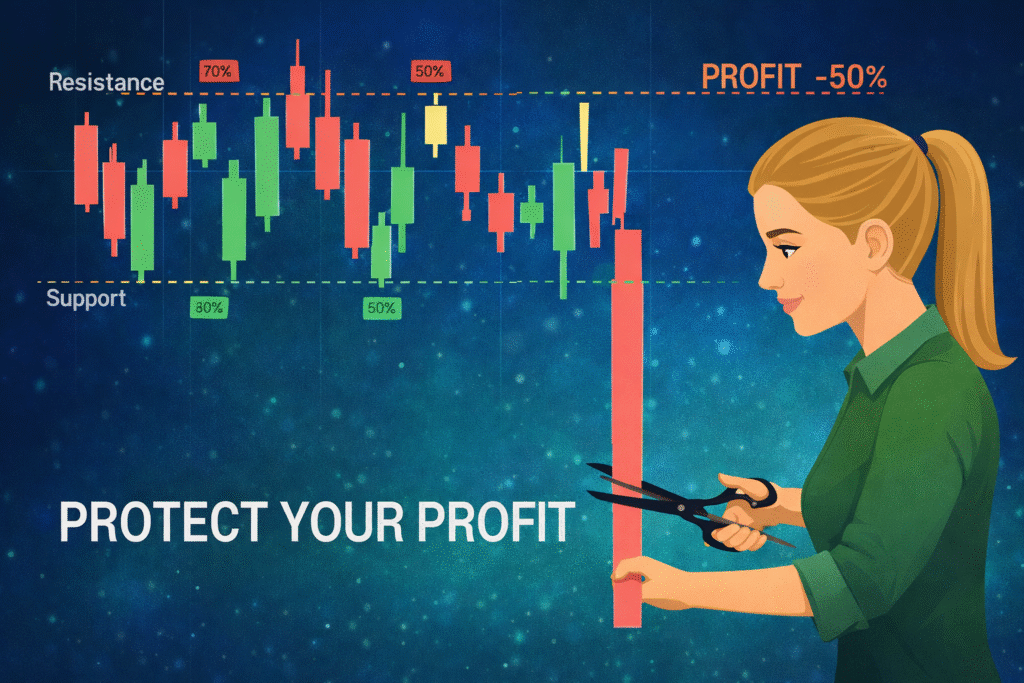
📌 RULE: A key rule in trading is to decide your risk first, before anything else. Once you know how much you’re willing to lose, then you choose your entry, and only after that do you calculate your position size. This keeps your trading structured and disciplined, instead of letting emotion or randomness determine how big you trade.
4. Simple Position Size Formula
What we want is a position size that is small enough so that even if the stop loss is hit, the total loss is only 1% of your account or less. This approach keeps every trade controlled and predictable, preventing any single mistake from damaging your overall balance. By sizing trades based on risk instead of emotions, you create long-term consistency and protect your capital as you grow.
Example (hypothetical numbers):
This keeps your worst-case loss at $10 for that trade.
5. Daily Loss Limit (Your Seatbelt)
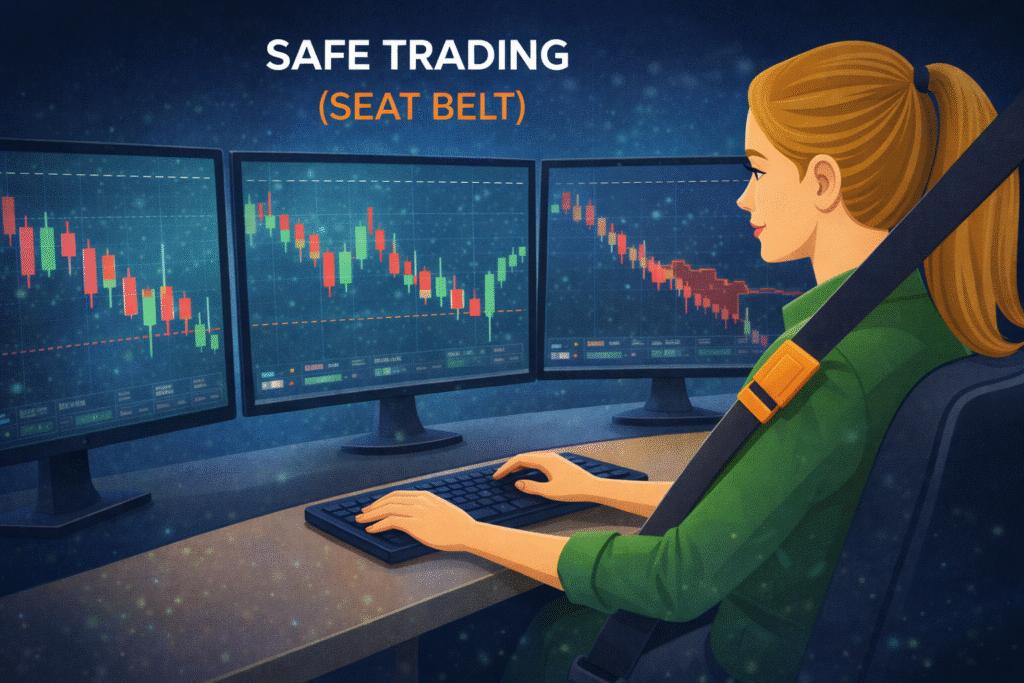
Even with good risk per trade, you can still:
📌 IMPORTANT: When your daily limit is hit → you are done for the day.
6. Emotional Red Flags (When NOT to Trade)
Do NOT trade when:
💡 Your mindset is part of risk management.
7. Risk Management & The Journal
Your trading journal isn’t only for writing down entries and exits — it’s also a tool to track how well you follow your risk rules and discipline. After every session, reviewing your behavior is just as important as reviewing your charts. This helps you understand whether you stayed within your planned risk, avoided impulsive decisions, and executed your strategy properly. After each session, log:
Over time, this process reveals powerful patterns in your trading. You start to see which days you followed the plan, which specific mistakes cost you the most money, and which market conditions you naturally perform well in — as well as the ones you should avoid. This clarity helps you refine your strategy, strengthen your discipline, and improve your consistency.
8. Practical Risk Rules for This Course
For now, use these simple rules:
9. Homework Before Module 4
Before you move on:
Review your last trades (real or paper):
- Did you know your risk before entering?
- Did you respect stops?
- Did you stop trading when you were supposed to?
You are now building the habits of a risk-first trader, not a gambler.
Beginner Trading Insights

The Complete Beginner Trading System: Rules, Risk, Psychology & Execution
The Complete Beginner Trading System: Rules, Risk, Psychology & Execution Why Most Beginner Traders Lose…
Overtrading & FOMO: The Silent Account Killers for Traders
Overtrading & FOMO: The Silent Account Killers for Traders Many traders don’t lose money because…

Can You Make $1,000 Per Day Trading? The Honest Truth
Can You Make $1,000 Per Day Trading? The Honest Truth Can you make 1000 per…

Trading Psychology: Why Discipline Matters More Than Strategy
Trading Psychology: Why Discipline Matters More Than Strategy Most beginner traders believe success comes from…
⬅ Course Home | Next: Module ➡