
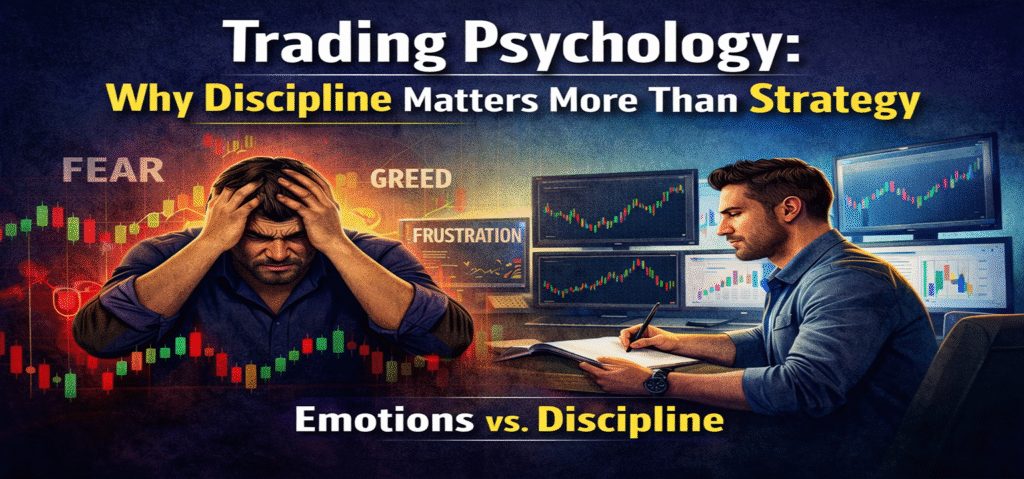
Trading Psychology: Why Discipline Matters More Than Strategy
Most beginner traders believe success comes from finding the perfect strategy. They spend months jumping between indicators, setups, and YouTube systems—yet results don’t improve.
The truth is uncomfortable but simple:
This article explains why psychology matters more than strategy—and how disciplined behavior separates losing traders from consistent ones.
Strategy Is Easy. Discipline Is Hard
Trading strategies can be learned in days; discipline takes months—sometimes years—to master.
Two traders can use the same setup:
Yet one trader makes money and the other loses—not due to intelligence, but behavior under pressure. Markets reward patience, emotional control, and disciplined decision-making far more than technical knowledge.
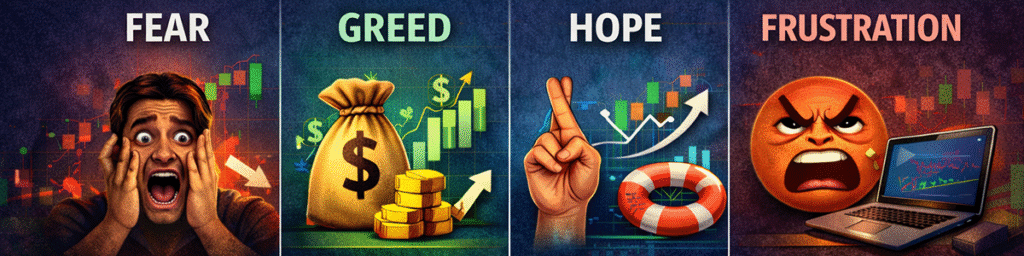
The Four Emotions That Destroy Trading Accounts
Almost every trading mistake comes from one of these four emotions:
1. Fear
Fear makes traders:
Fear protects you in life—but in trading, it cuts profits short.
2. Greed
Greed shows up as:
Greed turns a good day into a bad one.
3. Hope
Hope the most dangerous emotions sounds like:
Hope replaces planned exits with emotional decisions.
4. Frustration
Frustration leads to:
Most blown accounts happen after frustration—not bad analysis.
Discipline is not willpower. Many traders believe discipline means being mentally strong, controlling emotions, or forcing themselves to follow rules—but that approach fails. Real discipline is structural, not emotional. It comes from clear rules, limited decisions, predefined risk, and routine rather than motivation. If you rely on willpower, you will eventually break.
What Discipline Actually Looks Like in Trading
A disciplined trader:
They don’t trade when:
They treat trading like a business, not entertainment.
Why Simple Strategies Work Better for Disciplined Traders
Discipline thrives in simplicity.
Complex strategies:
Simple strategies:
That’s why many professional traders rely on few indicators, clear setups, and fixed risk rules. Instead of chasing complexity, they focus on consistent execution, knowing that how a trade is executed matters far more than how complicated the strategy looks.
The Role of Rules: Your Emotional Seatbelt
Rules protect you from yourself. They remove emotional decisions in the moment and keep you aligned with your plan when pressure is highest.
Every trader should have:
Rules don’t limit freedom—they preserve capital.
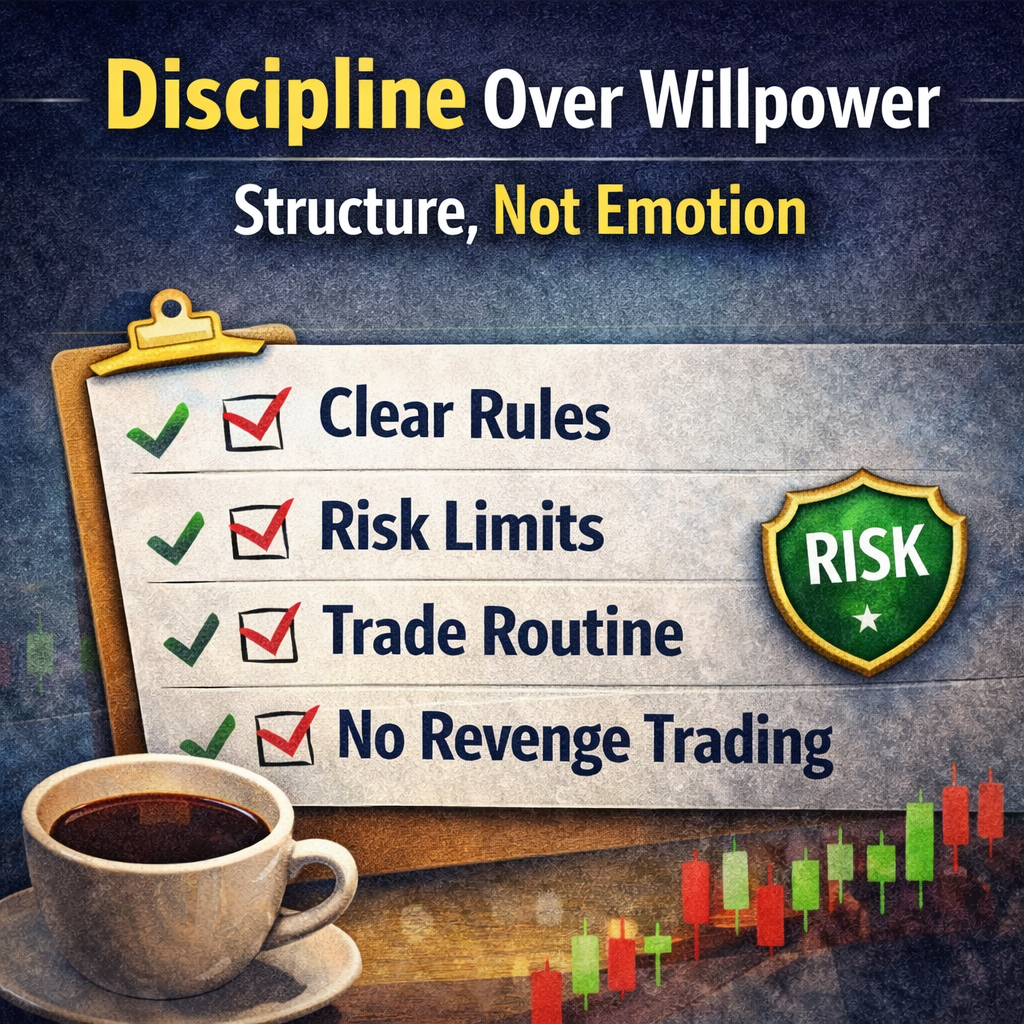
Just like a seatbelt doesn’t stop you from driving, trading rules don’t stop profits. They stop disasters.
What Successful Traders Do Differently
Discipline isn’t built during the trade—it’s built after the trade. It comes from reviewing your decisions, journaling honestly, and holding yourself accountable to your rules, so the next trade is executed with more clarity and consistency, not emotion.
A journal shows:
Ask after every trade:
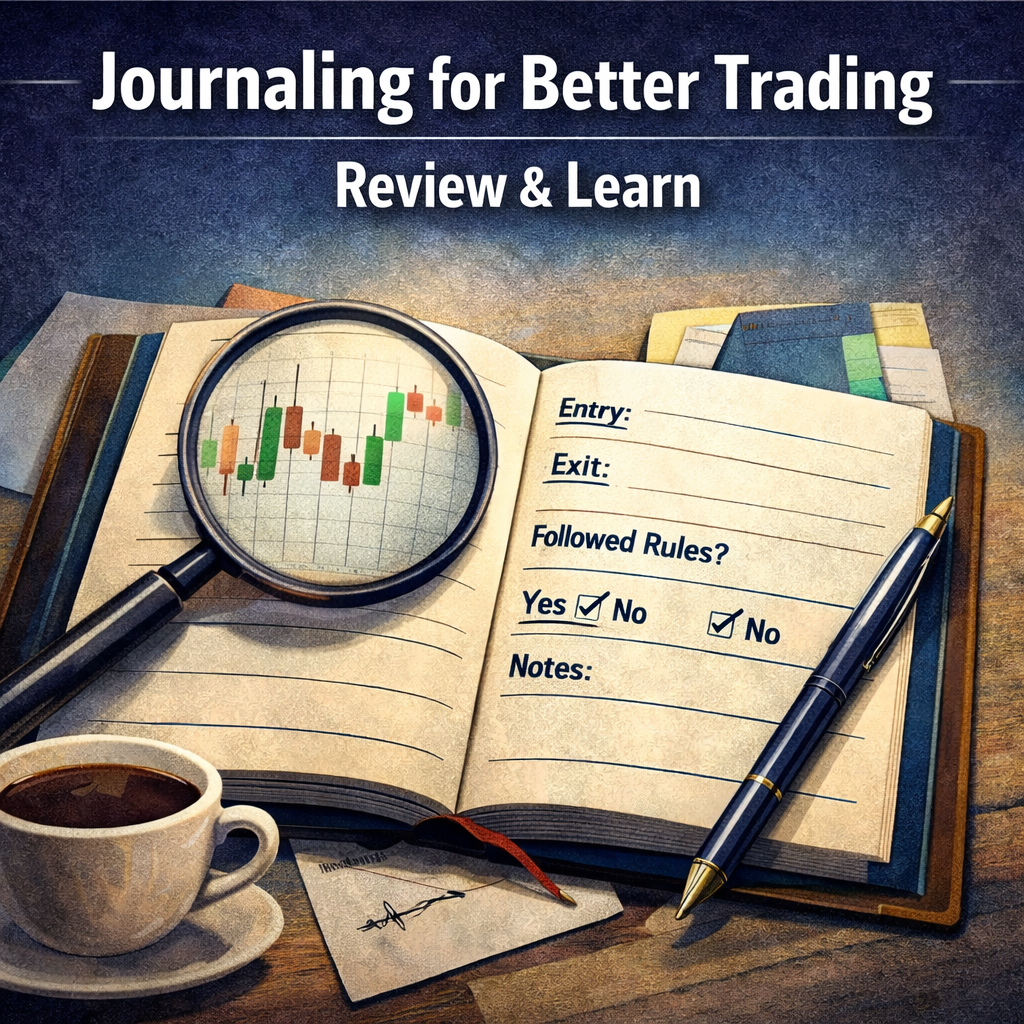
Consistency comes from awareness, not luck.
Final Thoughts: Strategy Gets You In. Discipline Keeps You Alive.
You don’t need:
You need:
Trading success is boring, structured, and disciplined. At KamyaabLab, we don’t teach hype—we teach habits that keep traders in the game long enough to win.
Related Reading to Strengthen Your Trading Discipline
Why Most Beginners Lose Money
Most beginners lose money by overtrading, chasing indicators, ignoring risk, and letting emotions control decisions. Without rules, patience, and discipline, even good strategies fail consistently.
1% Rule in Trading
The 1% rule limits risk per trade to protect capital, reduce emotional pressure, and ensure survival during losing streaks, allowing traders to stay consistent and grow steadily over time.
Overtrading & FOMO
Overtrading and FOMO push beginners into low-quality trades, emotional entries, and excessive risk, leading to rapid losses, burnout, and broken discipline instead of patience, selectivity, and consistent execution over time.
Beginner Trading Insights
The Complete Beginner Trading System: Rules, Risk, Psychology & Execution
The Complete Beginner Trading System: Rules, Risk, Psychology & Execution Why Most Beginner Traders Lose…
Overtrading & FOMO: The Silent Account Killers for Traders
Overtrading & FOMO: The Silent Account Killers for Traders Many traders don’t lose money because…

Can You Make $1,000 Per Day Trading? The Honest Truth
Can You Make $1,000 Per Day Trading? The Honest Truth Can you make 1000 per…
Why Most Beginners Lose Money
Why Most Beginners Lose Money in Trading If trading was as easy as buying and…