
⬅ Course Home | Next: Module ➡

Getting Started the Right Way
1. What This Course Will (and Won’t) Teach You
Beginner trading course fundamentals start with learning how to trade safely, follow rules, and avoid gambling or guesswork.
You will learn:
You will not learn:
Many new traders fail because they start trading without a plan, clear rules, or proper education, which explains why most beginners lose money before they ever become consistent.
2. How the Market Actually Works
The market only does a few things:
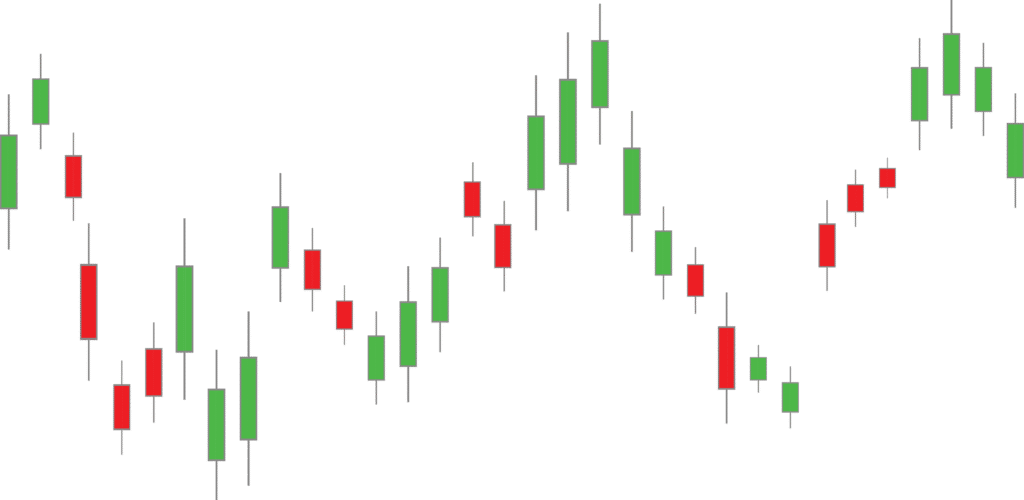

Every candle is just buyers vs. sellers. Your job is not to predict the future. Your job is to react to what price is doing now, using rules:
This mindset alone separates you from most beginners.
Before placing any trade, it’s essential to understand market structure for beginners, including how price moves, who controls the market, and when trends or ranges are forming.
3. Tools You Need (Beginner Checklist)
You do not need fancy software. You just need :

A regulated broker
No shady offshore stuff

A charting platform
TradingView or broker’s charts

Basic market data
Usually included by the broker

A simple trading journal
Notebook, Google Sheet, or PDF
As you go through this course, your journal becomes more important than your indicators. That’s where the real learning happens.
Even the best analysis fails without protection, which is why mastering risk management basics in trading is a core requirement before risking real capital.
4. Why Most Beginners Lose
Most beginners lose money because they overtrade and chase every market move, often acting without patience or clear rules. They trade without a written plan, keep changing strategies every week, and risk too much on each trade, which quickly wipes out small accounts. Many also trade when they are tired, emotional, or bored, letting feelings override discipline, and refuse to practice on paper first, jumping into live markets before building consistency and confidence.

Overtrade and chase every move

Trade without a written plan
Changing strategy frequently

Risk too much on each trade
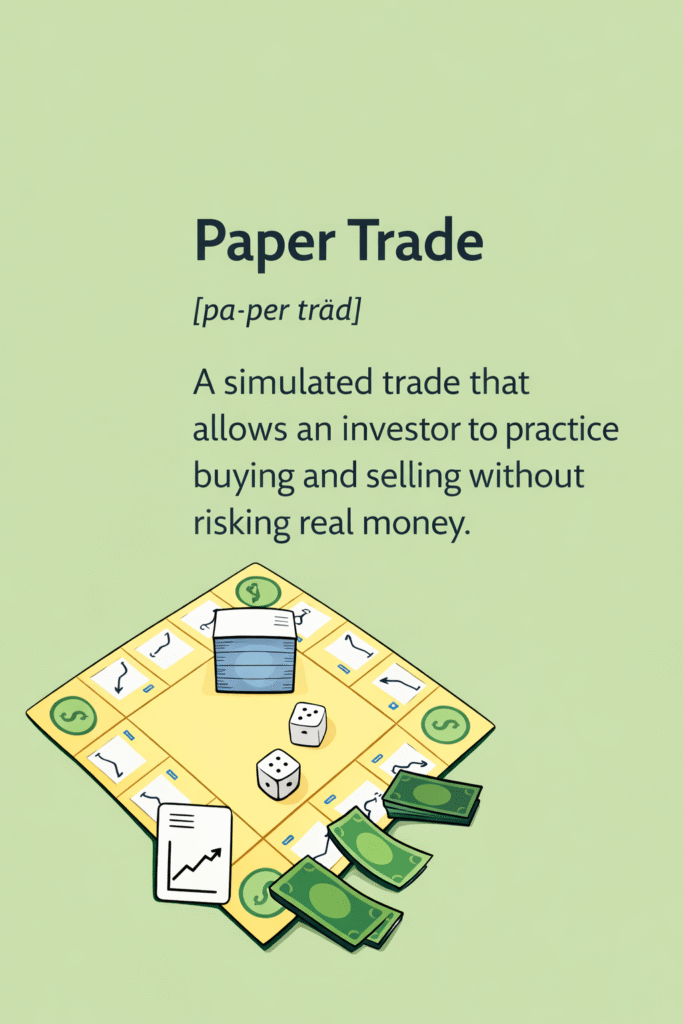
Refuse to practice on paper first

Trade when tired, emotional, or bored
This blueprint is built to avoid all of that by giving you:
What To Do After This Module
Before moving to Module 2, make sure you:
Beginner Trading Insights

The Complete Beginner Trading System: Rules, Risk, Psychology & Execution
The Complete Beginner Trading System: Rules, Risk, Psychology & Execution Why Most Beginner Traders Lose…

Overtrading & FOMO: The Silent Account Killers for Traders
Overtrading & FOMO: The Silent Account Killers for Traders Many traders don’t lose money because…

Can You Make $1,000 Per Day Trading? The Honest Truth
Can You Make $1,000 Per Day Trading? The Honest Truth Can you make 1000 per…

Trading Psychology: Why Discipline Matters More Than Strategy
Trading Psychology: Why Discipline Matters More Than Strategy Most beginner traders believe success comes from…
⬅ Course Home | Next: Module ➡